BP
Next Roadshow — London · The Dorchester · 14–15 September 2026   Reserve Your Seat
Better Parker

The Better Parker Guides · Renting

Renting in Dubai, decoded.

Ejari, post-dated cheques, the RERA index, DEWA deposits — Dubai's rental market runs on a system nobody explains until you're mid-lease. Here it is explained before you sign, with the real move-in budget attached.

Speak to a Leasing Advisor

The System

Three things that make Dubai renting different

01

Ejari is not optional

Every long-term lease must be registered on Ejari — the Dubai Land Department's official tenancy system. Registration costs AED 215 + VAT and produces the certificate you'll need for utilities, internet, visa renewals and any rental dispute. An unregistered lease leaves you outside the system's protections.

02

Rent moves by cheque

Annual rent is typically paid with post-dated cheques — commonly 1, 2, 4 or 12 instalments. Fewer cheques generally buys a better rate; a one-cheque tenant is a landlord's favourite negotiating partner. Some landlords now accept transfers or monthly payments, but plan around the cheque norm.

03

The index caps the increase

Renewals are governed by RERA's rent cap regulations, tied to the official rental index: how much your landlord may raise the rent depends on how far your current rent sits below the market benchmark for your area. Renewal is your right in most cases — the increase is a formula, not a whim.

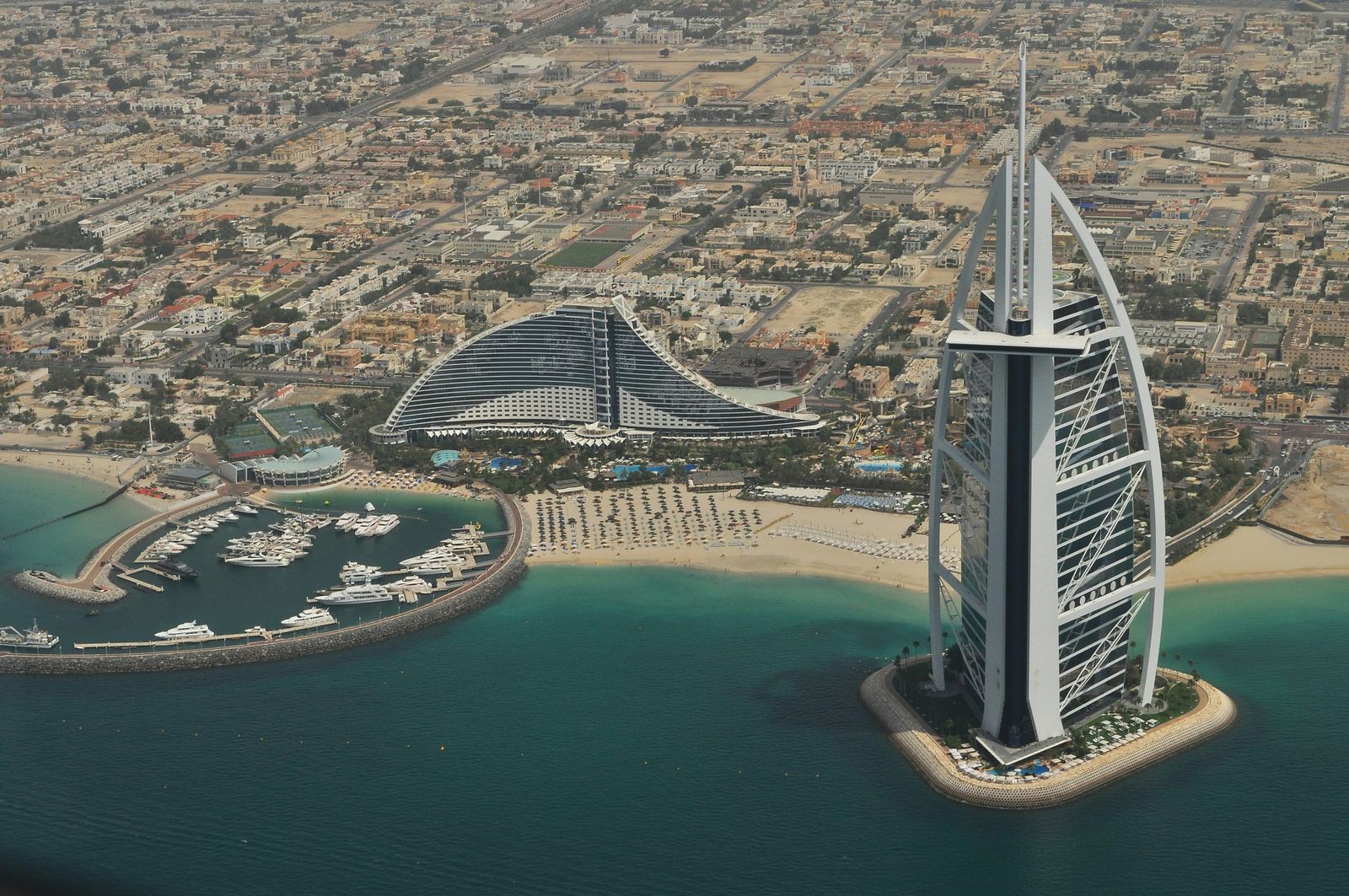
Dubai residential community — planning your rental move
02

The Real Budget

What moving in actually costs

Security deposit5% of annual rent (unfurnished) · 10% (furnished)
Agency feeAgreed upfront — typically a % of annual rent
Ejari registrationAED 215 + VAT
DEWA depositAED 2,000 (apartment) · AED 4,000 (villa) — refundable
Other utility depositsCooling, gas, internet — typically within AED 2,000–4,000 total

Cost schedule per Dubai rental market guidance, 2026. Rates may change — verify at time of signing.

Rule of thumb: hold roughly 10–15% of annual rent in cash beyond the first cheque. DEWA activates within about 24 hours of the deposit; move-in permits, access cards and elevator bookings vary by building.

03

Know Your Position

Tenant rights, plainly

Renewal & increases

Tenancies typically renew annually under RERA's rent cap rules — increases are limited by the official rental index benchmark, not landlord preference.

Eviction for sale or use

If the property is sold and the buyer wants to occupy it, you're entitled to 12 months' notice. Your contract survives a sale — it transfers to the new owner.

Maintenance split

Landlords carry major maintenance and repairs; tenants handle minor upkeep and utility issues. Get the split — and any AED threshold — written into the contract.

Disputes

Rental disputes run through a defined administrative process under the DLD — which is exactly why the Ejari certificate matters. No registration, no standing.

04

The Process

Signed to settled in about a week

With documents ready, the Dubai rental process typically runs 3–7 working days from chosen property to keys.

Step 1 · Representation

Sign the RERA leasing form (Form I) with a certified agent. Non-residents can rent on a passport copy alone; longer leases may ask for proof of income or an employment contract.

Step 2 · Offer & terms

Negotiate rent, cheque structure, start date and inclusions together — the cheque count is a lever on the price. Everything agreed goes into the contract, not a WhatsApp thread.

Step 3 · Contract & cheques

The tenancy agreement is prepared to RERA standards. You provide passport copy, Emirates ID and visa if resident, plus cheques or transfers for first rent, deposit and agency fee.

Step 4 · Ejari registration

The lease is registered on Ejari through the DLD system (AED 215 + VAT). Keep the certificate — utilities, internet and any future dispute all require it.

Step 5 · Utilities

Activate DEWA (refundable AED 2,000 apartment / AED 4,000 villa deposit, live within ~24 hours), district cooling, gas and internet.

Step 6 · Move-in

Move-in permit, access cards, parking allocation, elevator booking, key handover — and a documented snagging/condition report before your boxes arrive, so the deposit conversation at exit is short.

Renter FAQ

Before you sign

Can non-residents rent?

Yes — apartments and villas can be rented on a passport copy. For longer leases, some landlords ask for proof of income or an employment contract.

How is rent paid?

Most annual leases use post-dated cheques in 1, 2, 4 or 12 instalments. Fewer cheques usually negotiates a lower rent. Some landlords accept bank transfers or monthly payment.

What if I need to leave early?

Early termination follows your contract — commonly two months' notice plus a penalty of around two months' rent, unless otherwise agreed. Negotiate the exit clause before signing, not when you need it.

Can I sublet?

Only with written landlord consent and the Ejari registration reflecting the arrangement. Unauthorised subletting risks legal penalties and your deposit.

Who pays for maintenance?

Landlords are generally responsible for major maintenance and repairs; tenants for minor upkeep. Put the threshold in writing in the tenancy contract.

How long does it all take?

Typically 3–7 working days from choosing a property to key handover — offer, contract signing, Ejari registration and utilities included.

All figures per Dubai rental market practice as documented in 2026 guidance. Verify current rates and regulations at time of signing.

Next Step

Rent like you've lived here for years.

A leasing advisor will shortlist areas against your commute and budget, negotiate the cheque structure, and handle Ejari and utilities so move-in day is just a move-in day. Relocating from abroad? Meet us at a roadshow first.

Speak to an Advisor